
Longitudinal Scholars’ Program (LSP)
Health Research
Patient Safety/Quality Improvement (PS/QI)
'Physicians have a duty to provide safe and effective care. Healthcare organizations are committed to protecting patients from errors, injuries, accidents, and infections. The disciplines of patient safety and quality improvement play an integral role in health care, and as physicians you are expected to engage in activities within the healthcare system to provide this care. Throughout LSP you will complete modules, read articles, and participate in activities that will introduce you to the principles of patient safety and quality improvement. This will allow you to expand your knowledge and contribute to a safe clinical environment as you begin your medical career and beyond.
Community and Global Health
Projects can be conducted in community clinics not associated with UTHSC or with other health improvement related organizations and efforts. Similarly, projects can also be conducted outside of the US. It is important for students to understand the differences of these health care settings from the more traditional places. It is essential that projects are designed with the goal of producing scholarly output. It is not enough to provide important health improvement services projects must also evaluate outcomes – preferably compared to a reference population or approach.
Self-Directed Learning (SDL)
Self-directed learning skills are critical in the medical field for life-long learning to remain competent, stay up-to-date on current literature, and follow best practices in the field. The SDL curriculum at UTHSC is designed to develop these skills, such as identifying your own knowledge gaps, finding credible and reliable resources to address those knowledge gaps, and synthesizing information based on those resources. In this longitudinal curriculum, students receive individualized formative feedback from a dedicated team of clinicians, which can help students improve their SDL skills.
Interprofessional Education (IPE)
This course features several interprofessional education (IPE) events during which you’ll collaborate with students and faculty from various healthcare professions, enhancing your understanding of their unique contributions to patient outcomes. IPE activities will focus on interdisciplinary communication and teamwork to address complex healthcare and psychosocial concerns.
Faculty and Staff

Longitudinal Scholars' Program Director
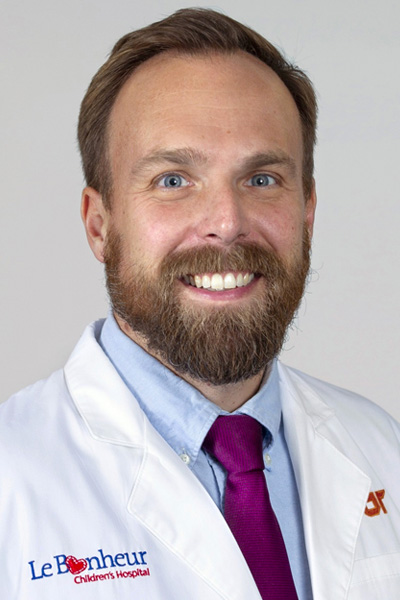
Community and Global Health Module Director
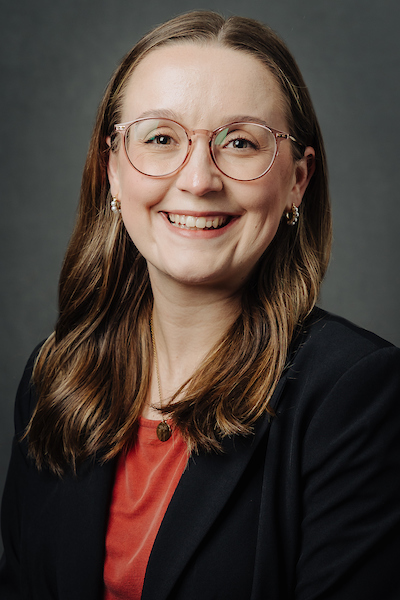
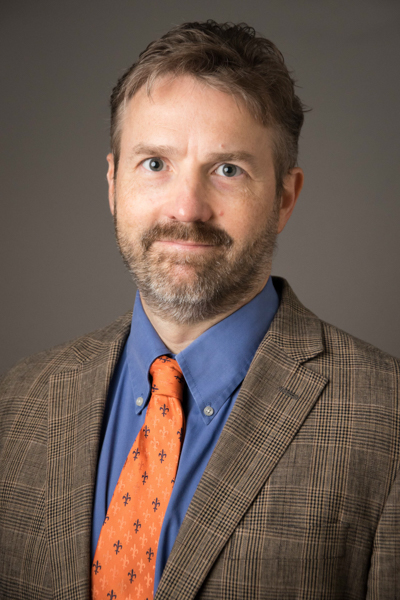
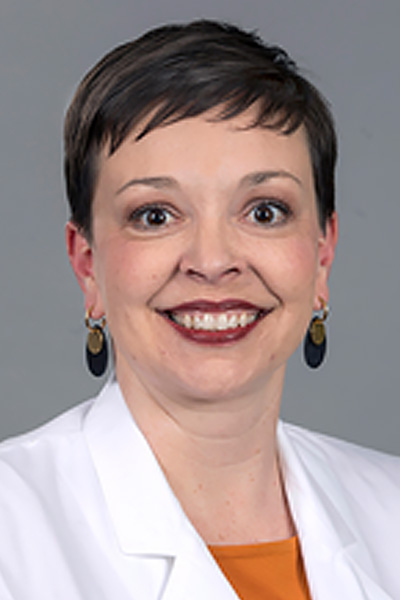
Patient Safety/Quality Improvement Module Director
Interprofessional Education Module Director

Self-Directed Learning Module Director
Curriculum Information
For curriculum information please check eMedley or the Curriculum Information website. For syllabus information, please check Simple Syllabus.
Research Opportunities
The links in this section provide information on additional research within the College of Medicine. Some of the projects mentioned on those pages might qualify for LSP credit, with prior approval. Please contact Emily Duet for more information.
- Minority Health and Health Disparities International Research Training (MHIRT)
- Student Committee On Research in Education (SCORE)
- College of Medicine Research, Fellowship and Other Opportunities:
- Autism Science Foundation Fellowship
Other Community and Global Health Opportunities:
- CIAO Outreach Opportunities
- Service Learning for Medical Students
- The Arnold P. Gold Foundation – Student Summer Fellowships
- Mayo Clinic College of Medicine and Science Summer Research Fellowship
Note: A student wishing to complete a service learning project as the fulfillment of their Longitudinal Scholars' Program (LSP) requirement must follow the same general guidelines as those specified for any other LSP project (i.e. a Student-Mentor Agreement must be completed and approved before any work on the project can begin, and the work must culminate in a poster presentation at an approved venue or at one of the LSP sessions).
If you are interested in what separates a scholarly service learning project from simple community service, reach out to Dr. Dalgo.
Poster Venue Options:
Project and Presentations
A student wishing to complete a project as the fulfillment of their Longitudinal Scholars' Program (LSP) requirement must follow the general guidelines (i.e. a Student-Mentor Agreement which must be completed and approved before any work on the project can begin, and the work must culminate in a poster presentation at an approved venue (or at one of the LSP poster presentation sessions).
Longitudinal Scholars' Program - Memphis Campus Poster Sessions
October 19, 2026
November 3, 2026
November 16, 2026